patterns
Article 1 of 20
Not Just Stained Glass: A Pattern Resizer for Quilting, Mosaic, Woodworking and More
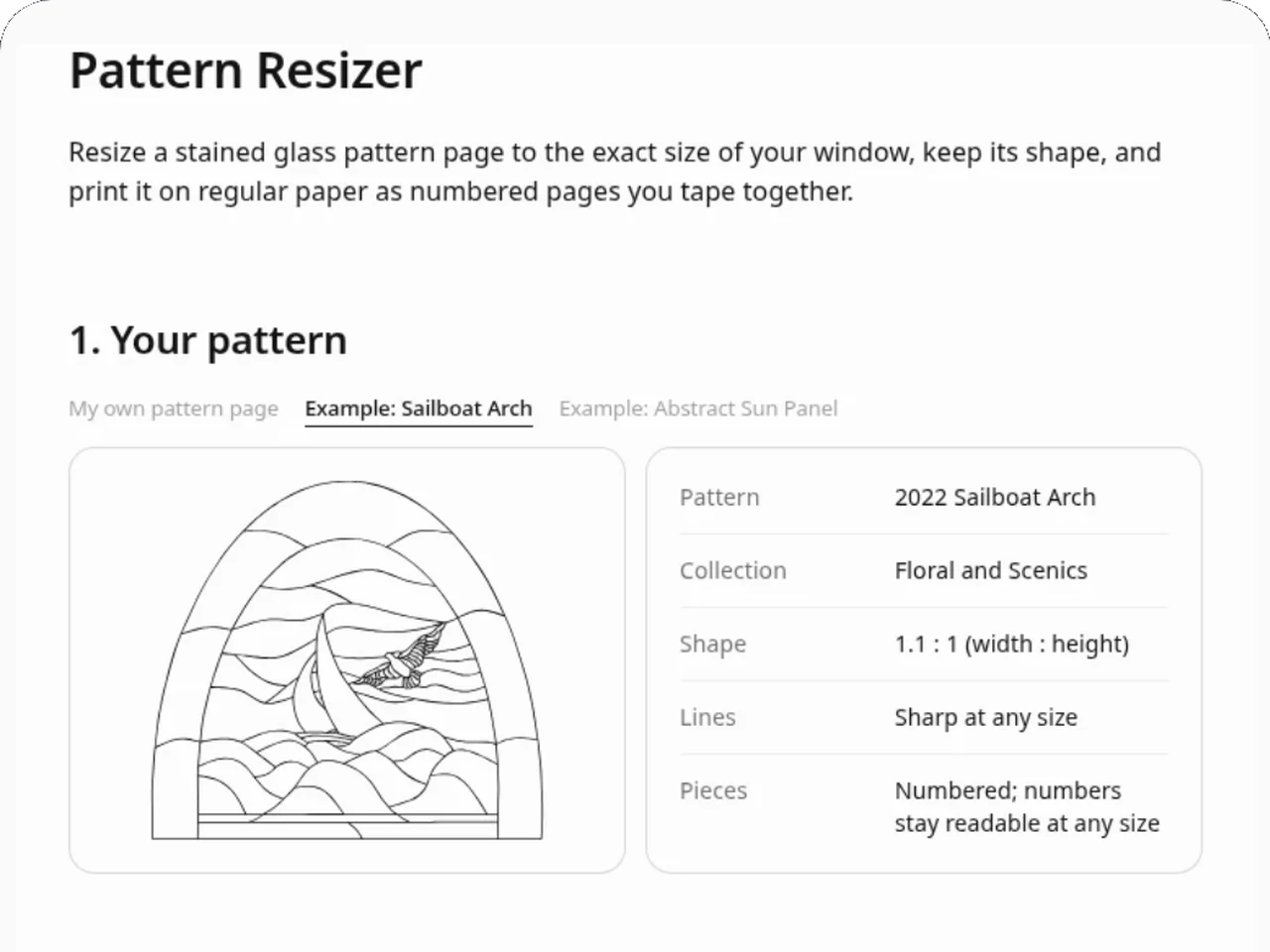
The Pattern Resizer was made for stained glass, but printing a line drawing at an exact size can also help mosaic artists, quilters, scroll-saw woodworkers, and other crafters.
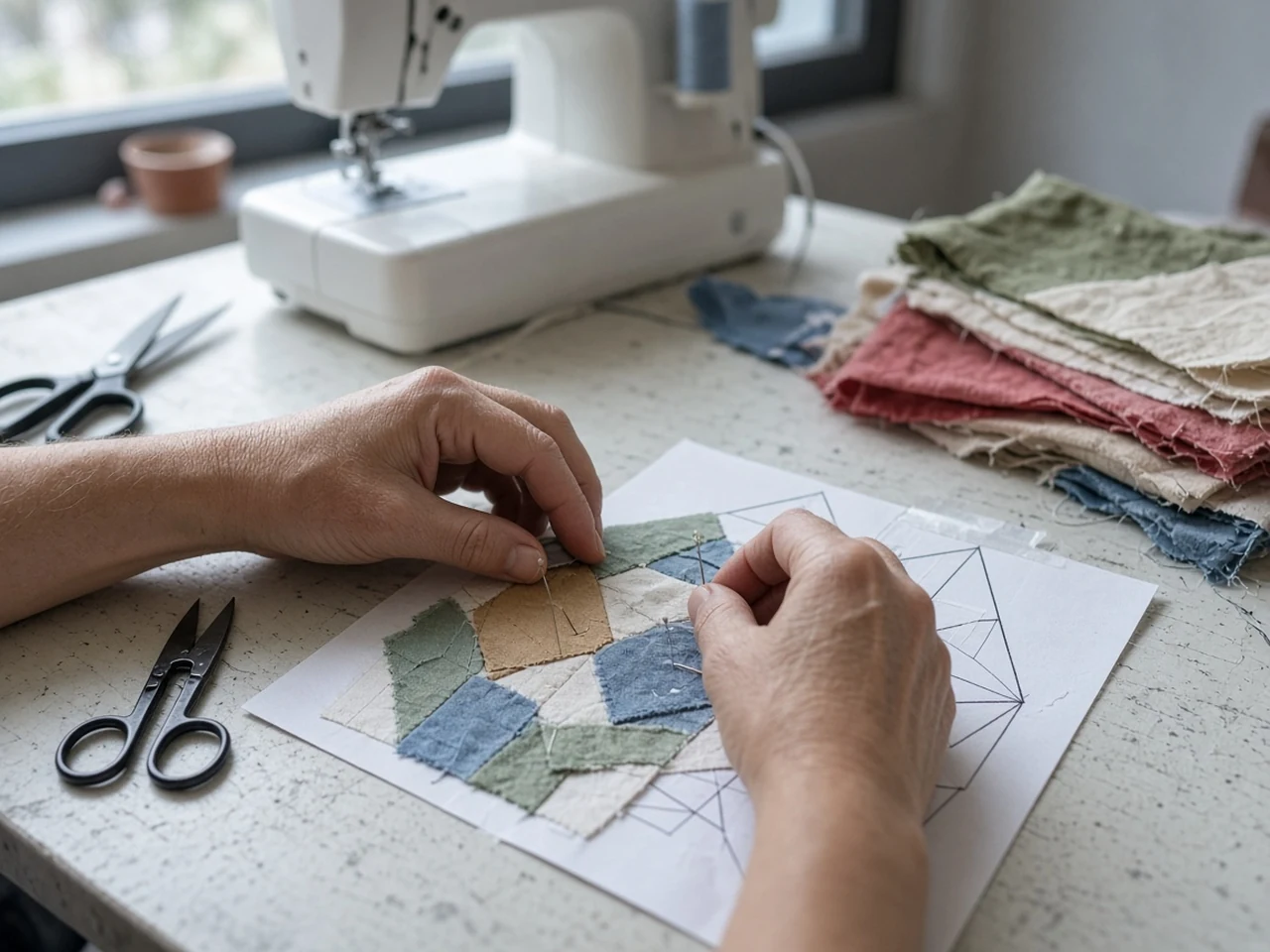
The Pattern Resizer on this site was made for stained glass. Type the width and height you need, and it prints the pattern at true scale on regular Letter or A4 paper, in numbered pages you tape together. That same job — a line drawing printed so a ruler agrees — can help other crafts too.
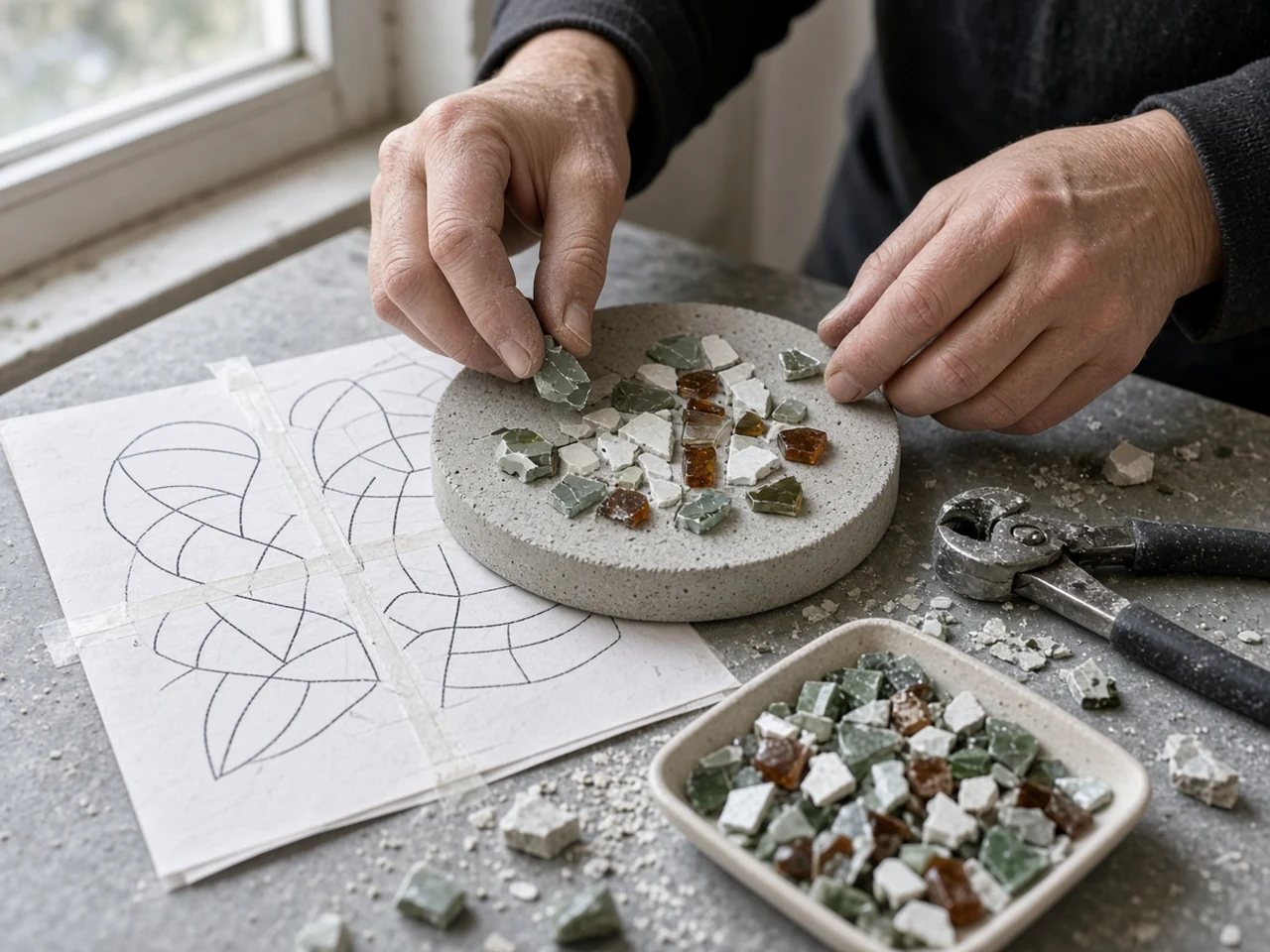
Mosaic artists often need a design to land on a tabletop, a stepping stone, or a wall, not at the size it was drawn. Print the pattern at the finished size so the tiles have a true-size guide.
Quilters working in appliqué or foundation paper piecing need the printed pattern to match the finished size, not a close-enough photocopy.
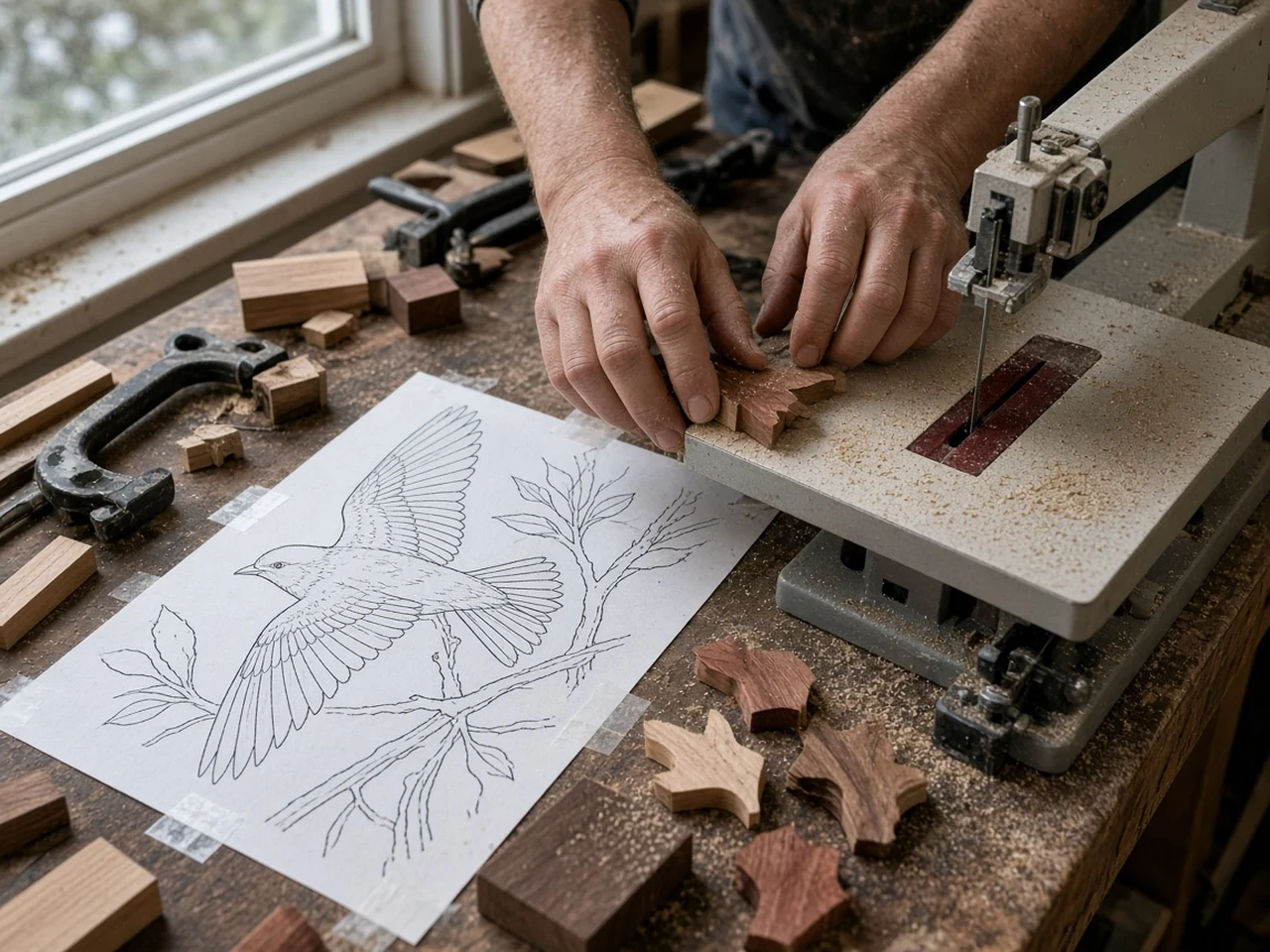
Woodworkers doing intarsia, marquetry, or scroll-saw work run into the same thing: the pattern has to match the board, the blank, or the opening it will fill.
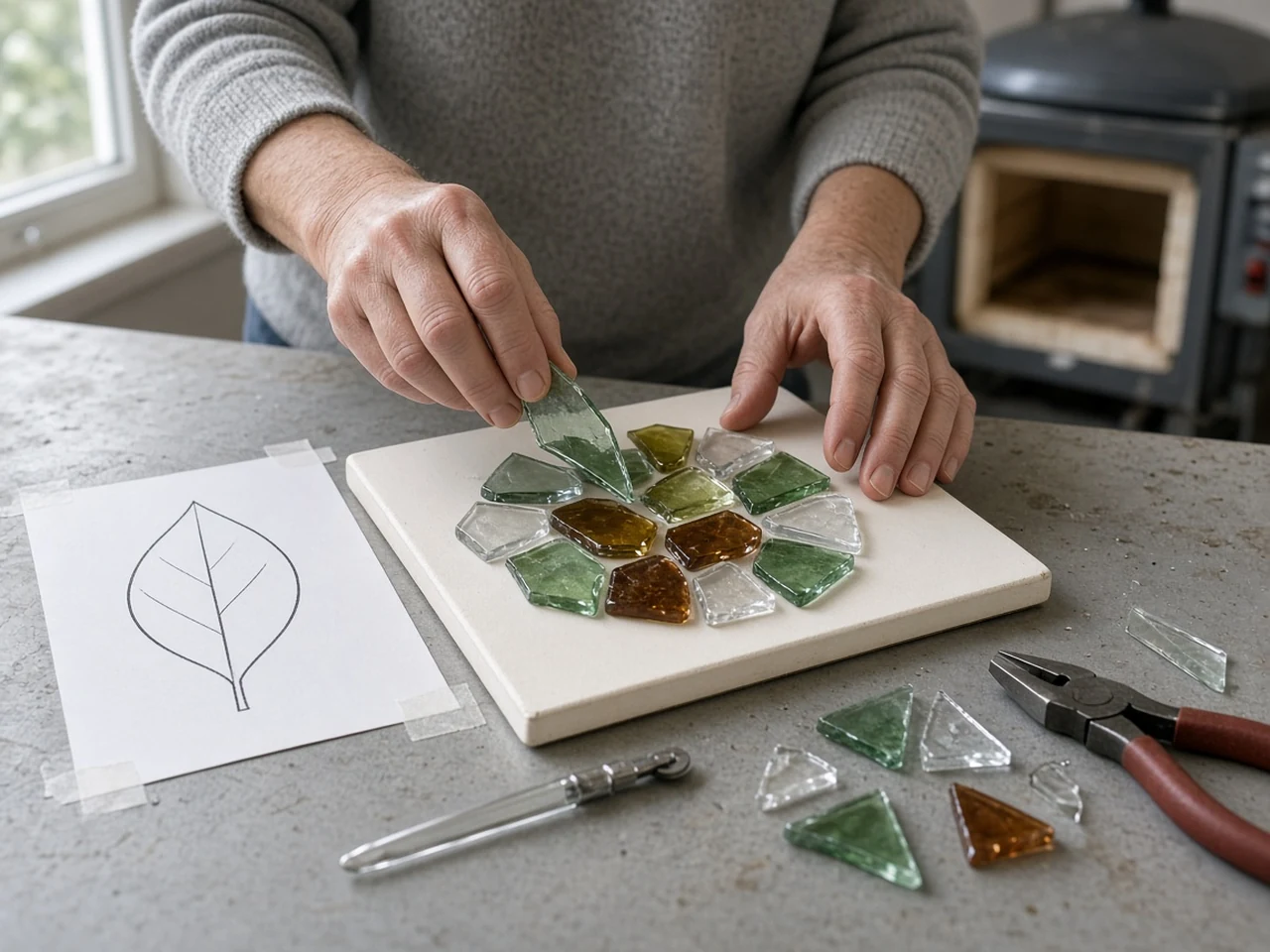
Fused-glass and kiln work can use a true-size print when a design has to fit a plate or a panel.
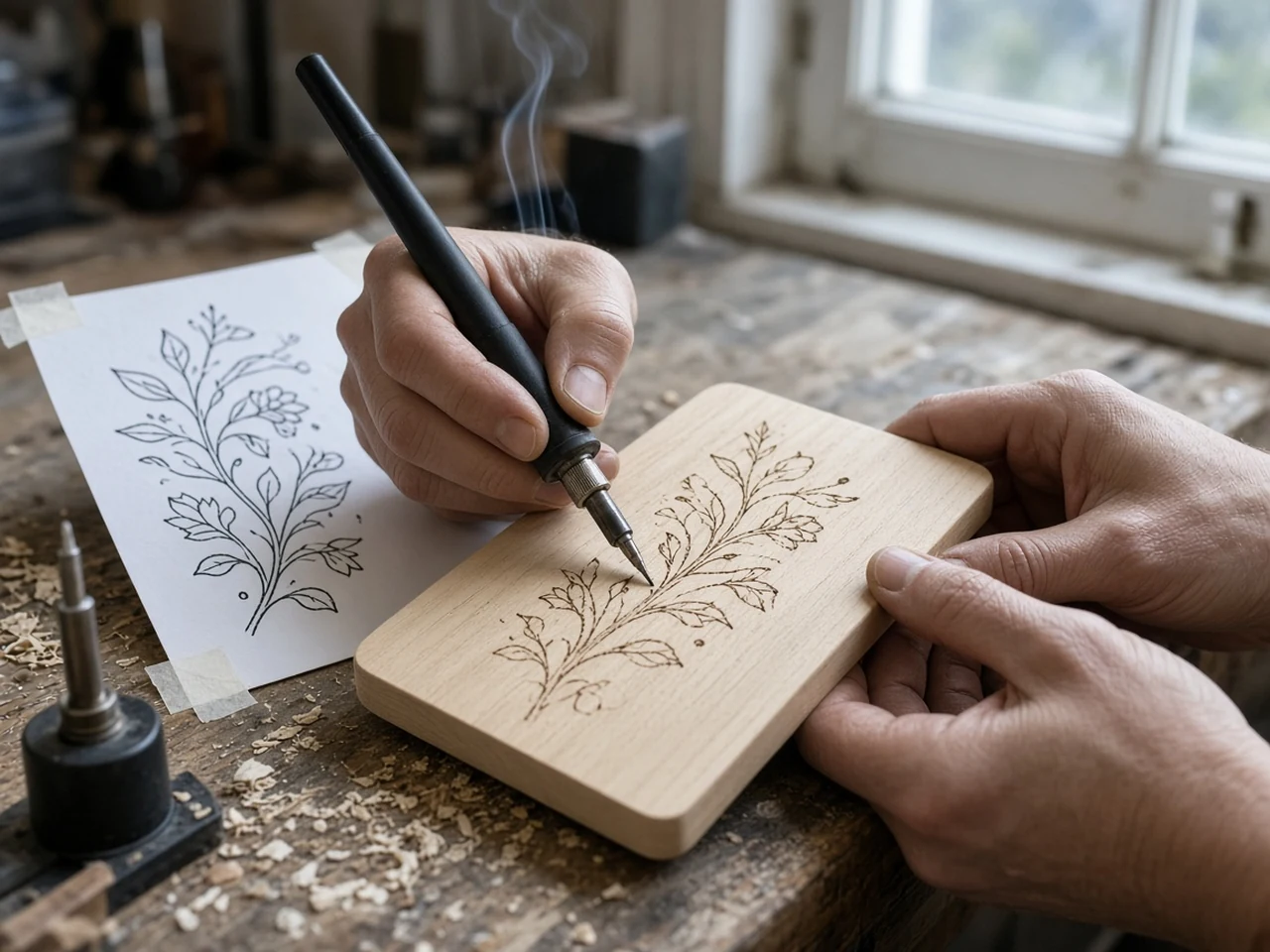
Wood burning starts with a drawing that needs to transfer at a set size. Print it to that size, then burn from the paper.
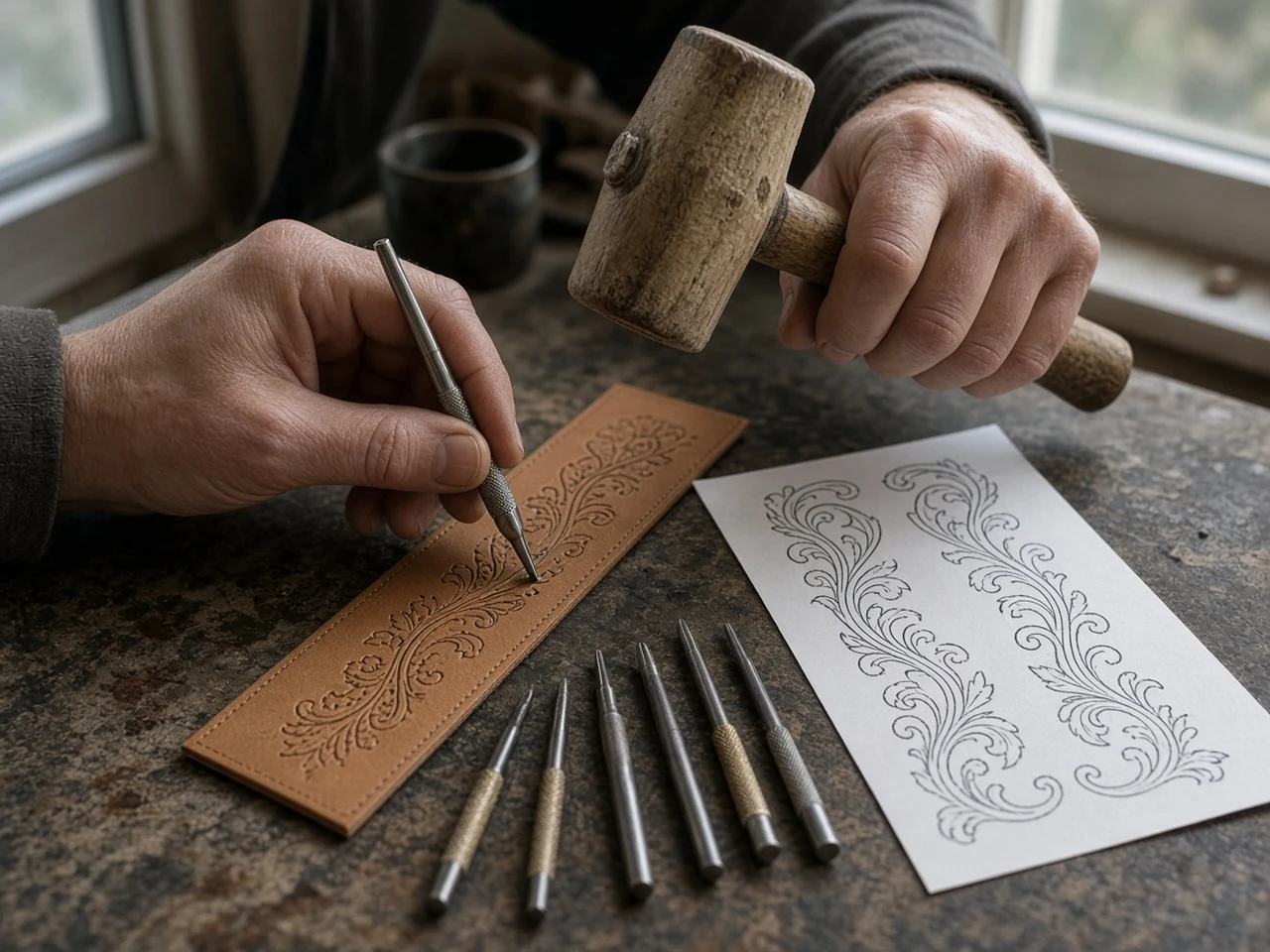
Leather tooling is much the same: print the design at the size of the belt, the panel, or the piece you are working, and tool from there.
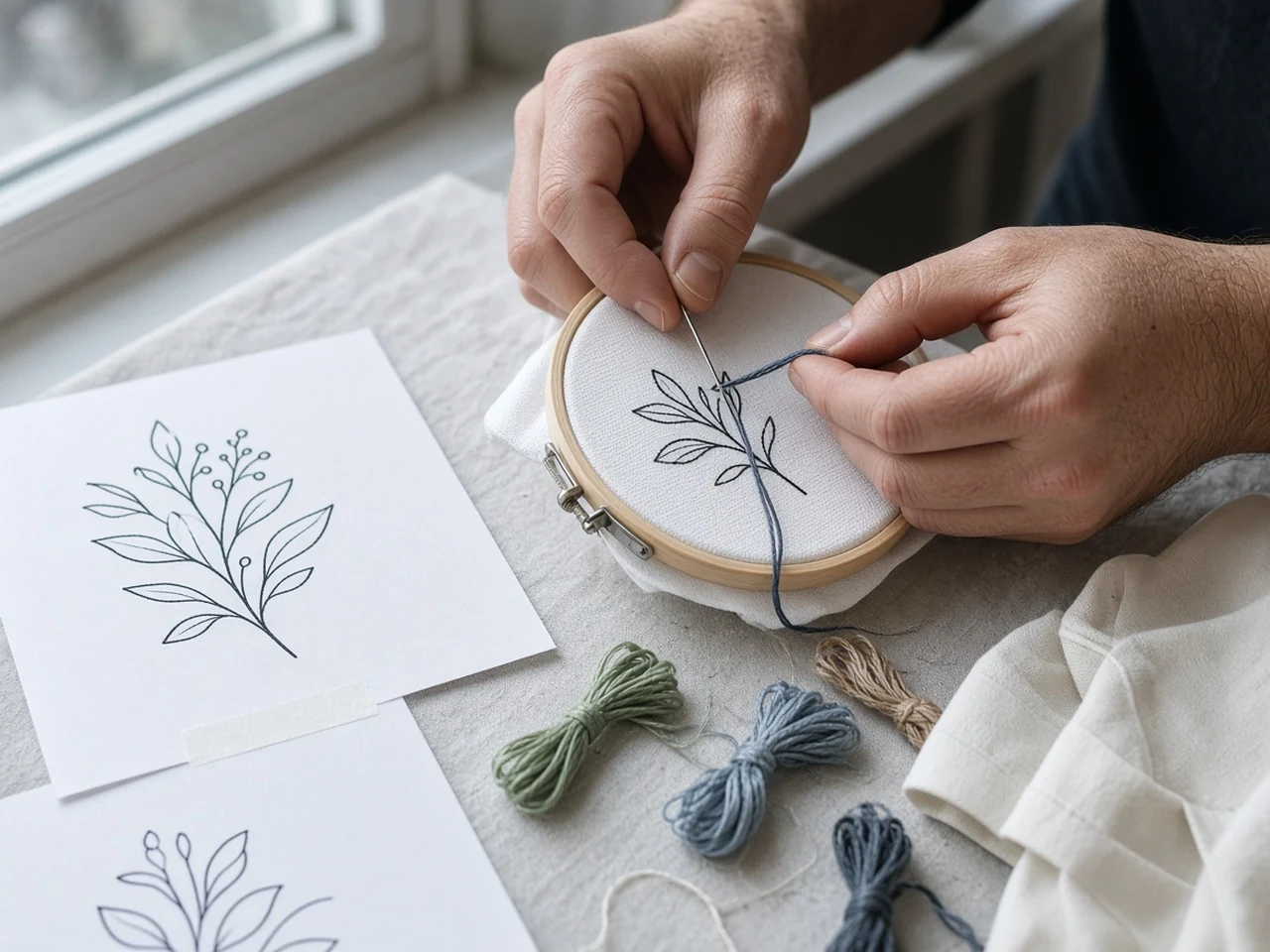
Embroidery and cross-stitch often have to fit a hoop or a shirt. Type the size you need and print a pattern that matches.
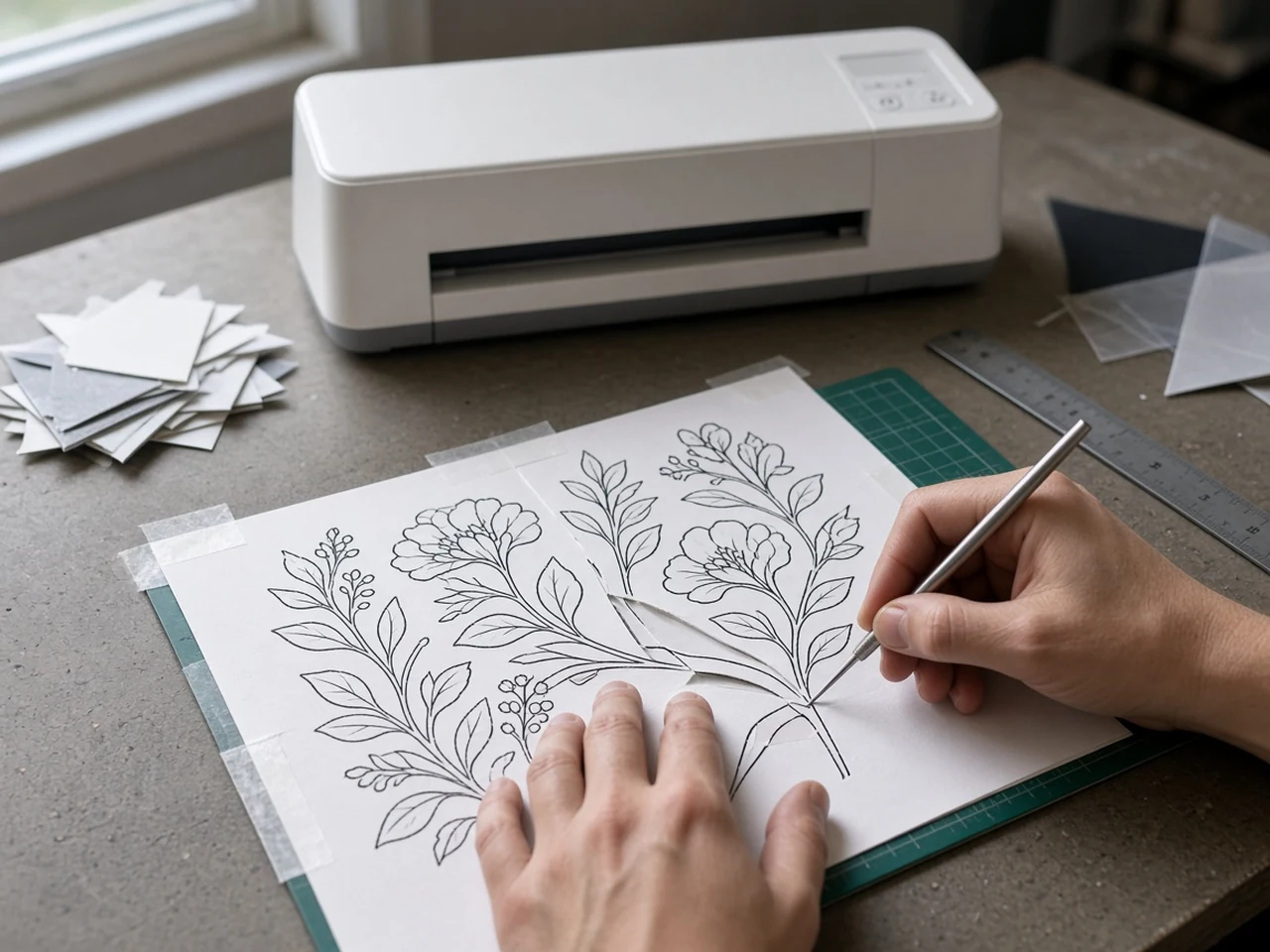
Paper crafters, stencil makers, and anyone using a cutting machine may want a design at a precise width. The pages tape together when the design is larger than one sheet.
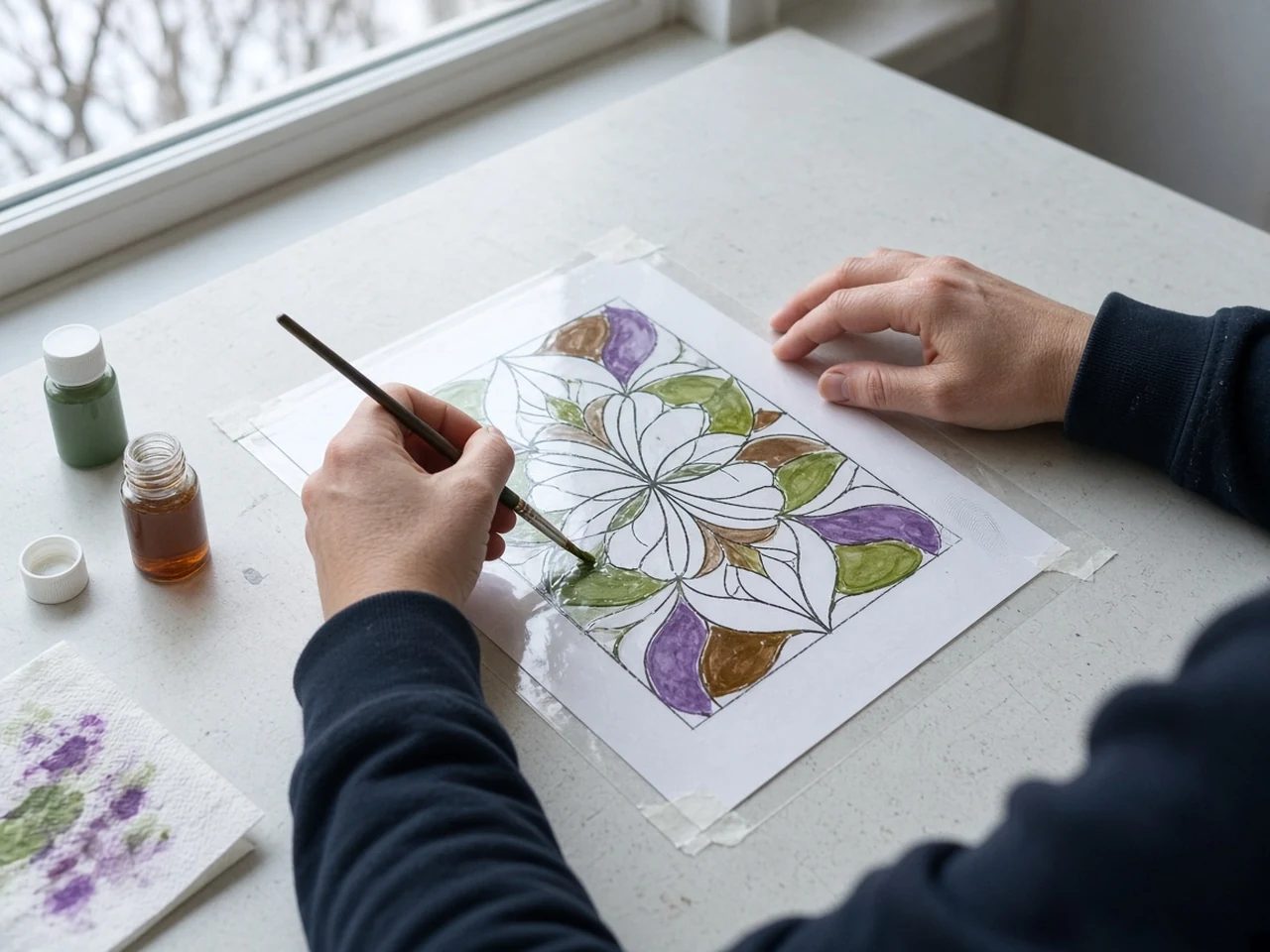
People painting faux stained glass or making window clings are already working from a line pattern. Print it at the size of the window or the pane, and use it as the guide underneath.
In each case the steps are the same. Upload your own drawing as a photo, a scan, or a PDF, or start with one of the patterns on this site. Type the width and height in inches, with the proportions locked so nothing gets stretched. Print the map page first and measure the 1-inch square; when that square is true, print the rest at the same setting. The work runs in your browser, so the file stays on your computer.
The Pattern Resizer is included with the beginner stained glass course. There is a closer look at how it works on the Pattern Resizer page.