

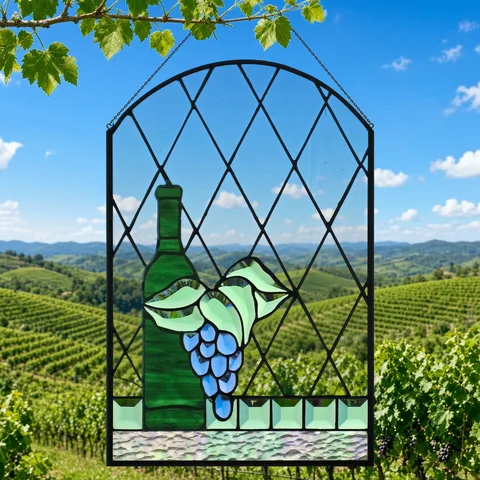
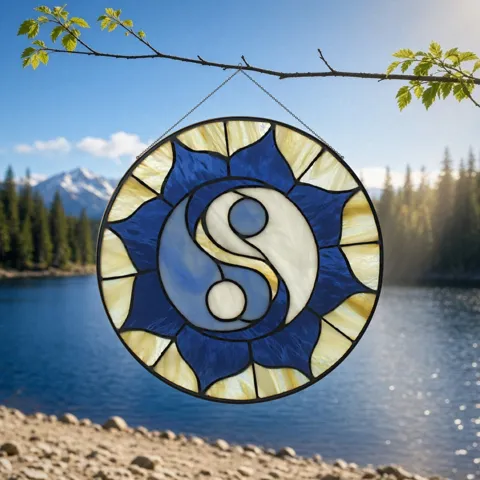
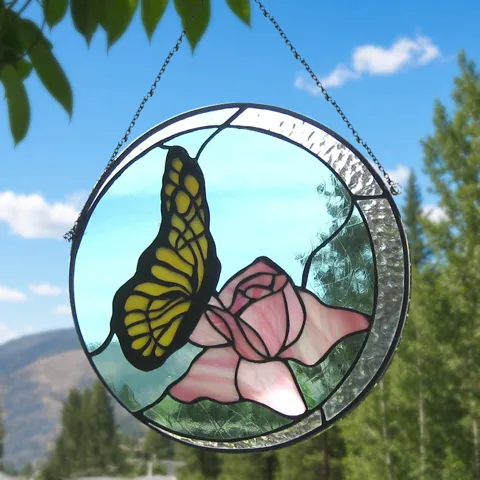
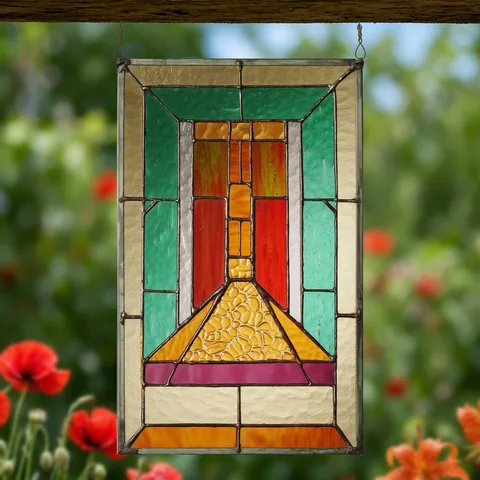



How it all started
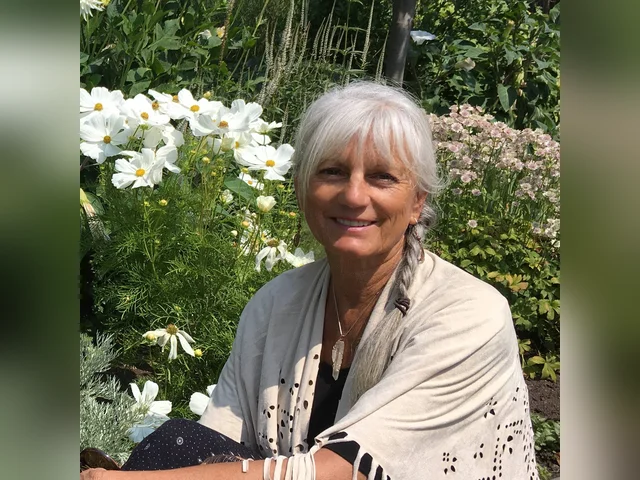
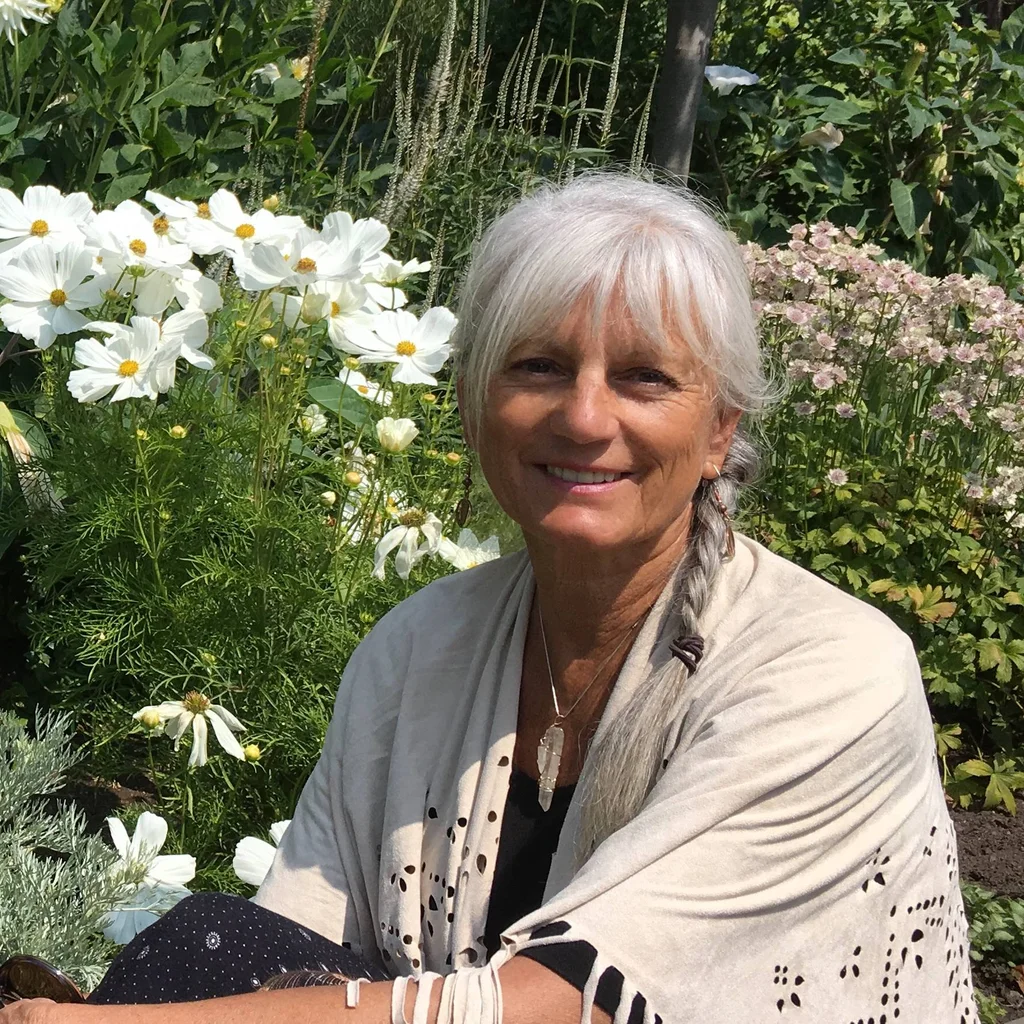
I've loved stained glass for as long as I can remember. Every time I saw a piece somewhere, I'd look at it and think, "One day I want to try that."
That was at least 40 years ago. There was no internet, and nothing was easy, especially when you lived out on a piece of land in a rural area. For me, like so many others, it was the age of “going back to the land” and doing things yourself. So I did what you did back then: I found some books.
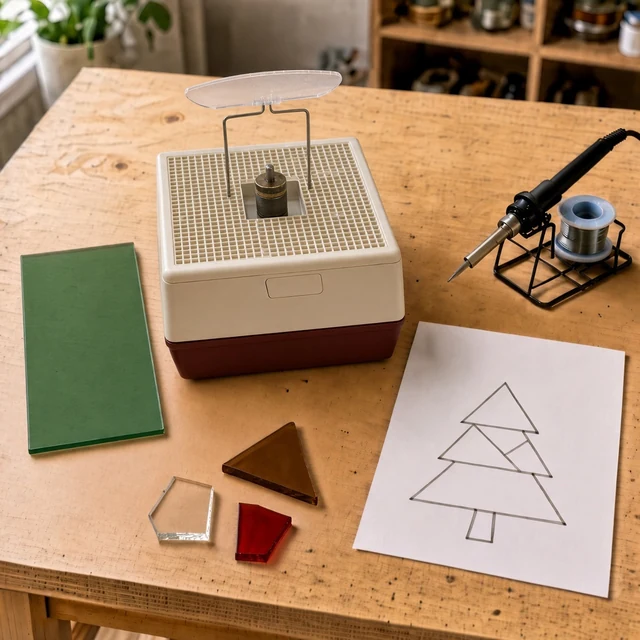
My starter kit was some glass a family member gave me, an old soldering iron, an old glass grinder and a whole lot of enthusiasm. I didn't know much of anything, and boy, did it show. I cut my fingers more times than I can count. I started trying to put things together with pieces that weren't perfect, and my copper foil method lacked the look of someone who knew how to do it well. I tried every way I could think of to get a pattern onto the glass: tracing, water-resistant pens, you name it. My soldering was, let's be honest, terrible. I made a lot of little suncatchers, and plenty of them fell apart. If there was a beginner mistake to make, I made it.
But I kept at it, with trial and error as my teacher. Where I lived, no one was “teaching” this, and I couldn't have gone anyway while I was raising my children and so busy with day-to-day life. Even getting glass was an adventure: I'd order it from a catalogue by phone, then wait for it to come in on the bus. A number of years later, I became very passionate about working with glass. I finally had the space to get serious, and I dedicated a whole room to being my studio. My workspace was fantastic: a 4x8 plywood table topped with 2x4 ceiling tiles, which made the perfect surface, and a second table that held just my grinders and my Morton cutting system. I bought so many tools, in fact too many styles, and far more than I needed. I even had a wooden slot system under my work table to hold all the sheets of glass I ordered in. I was knowledgeable on the computer, glass stores were easy to order from online, and back then the buses ran even to the smaller towns. I was set! With that setup in place, things really came together, and I could create patterns and make stained glass in a beautiful space.
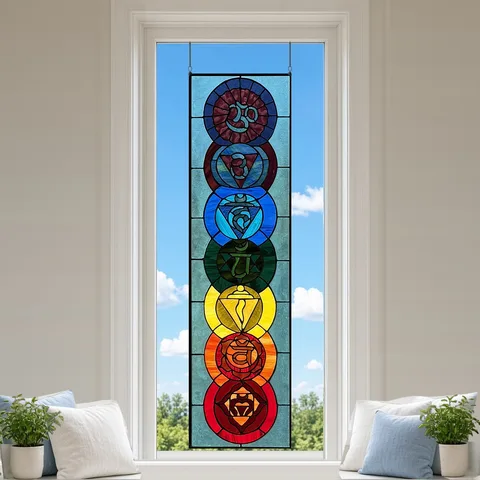
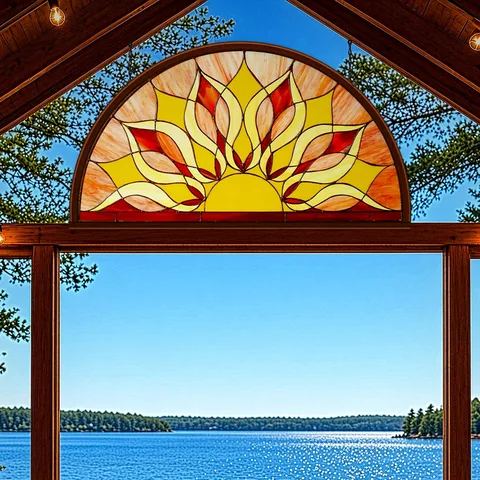
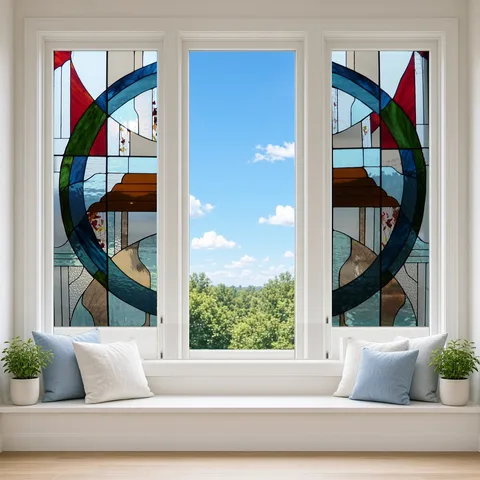
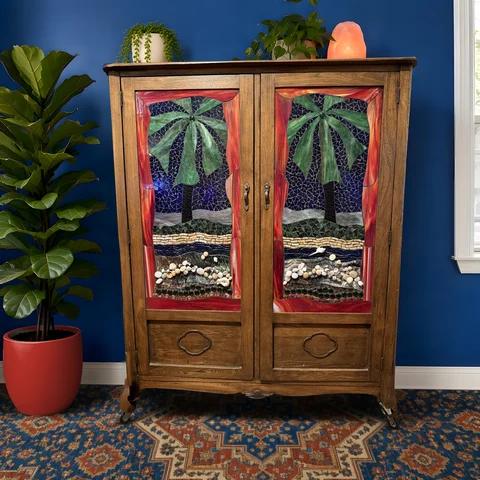
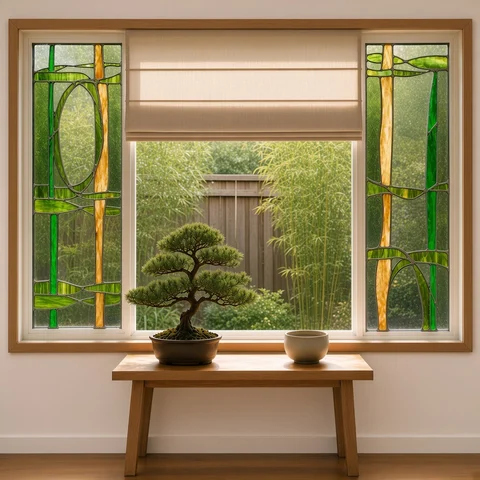
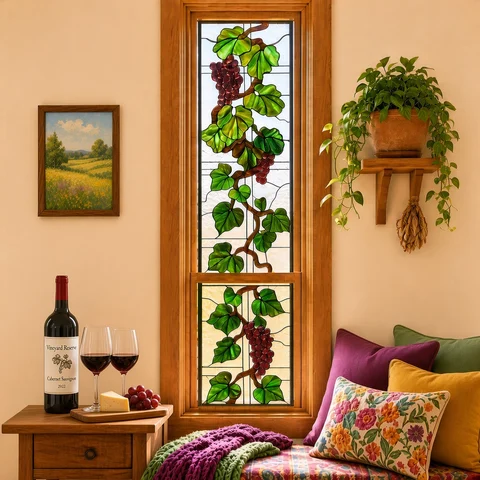
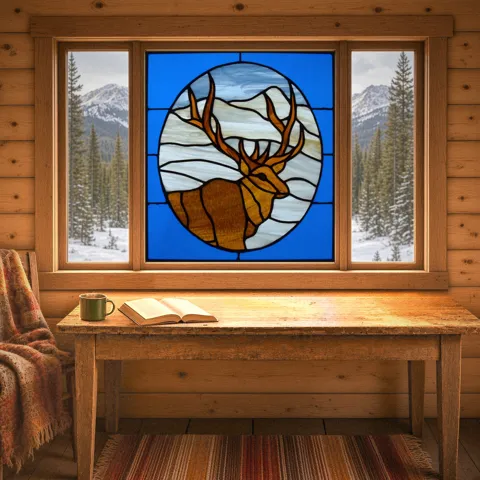
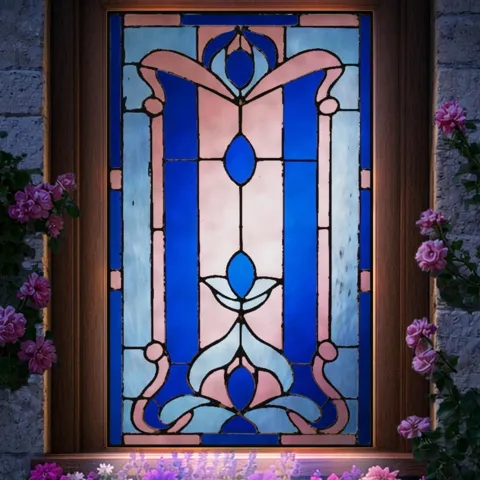
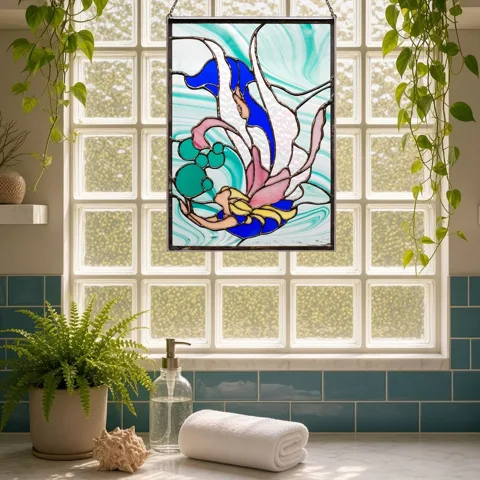
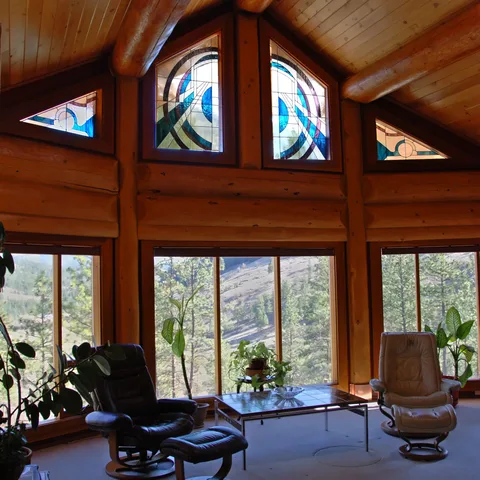
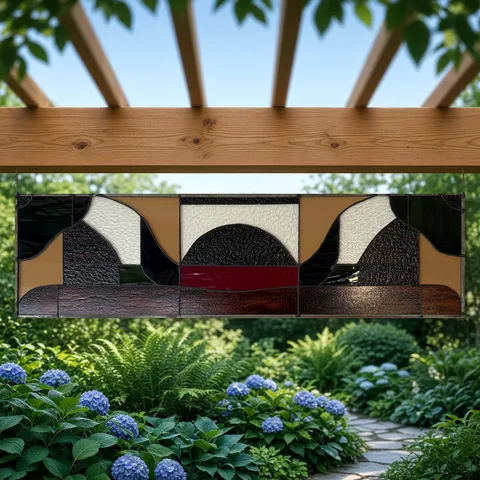
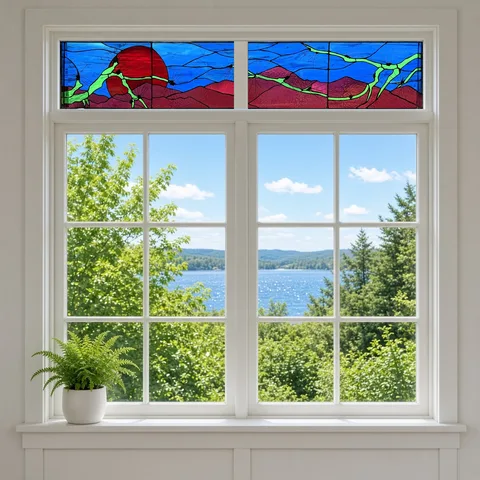
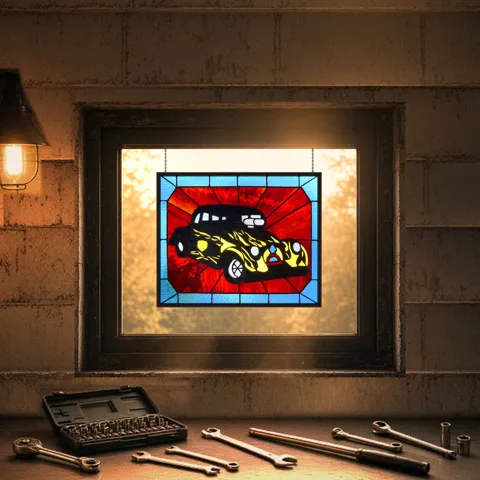
My preferred method of building stained glass pieces is with copper foil. It lets me work with smaller, more detailed pieces of glass, and that's where I came alive. I did take on one big lead came installation, Rays of Light, for a log home. I'm proud of it, but it was so stressful that I knew right then I'd never do another one.
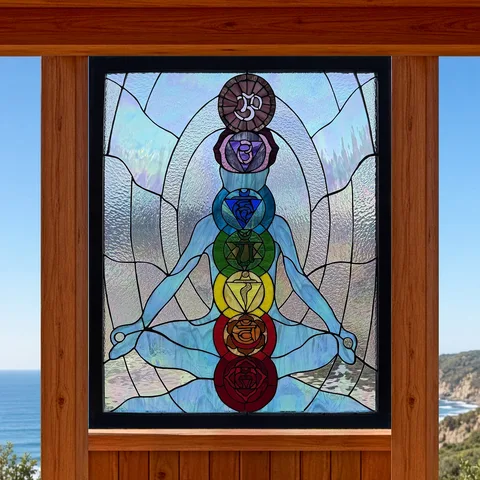
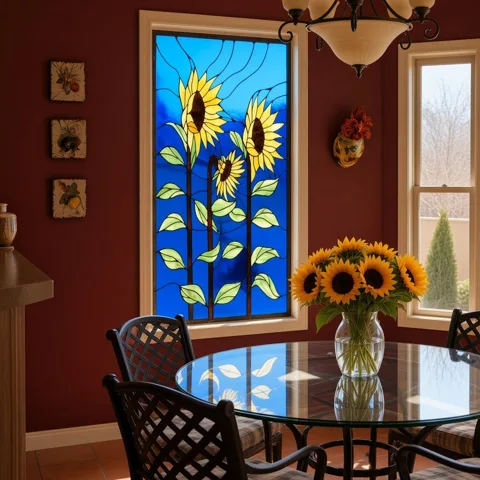
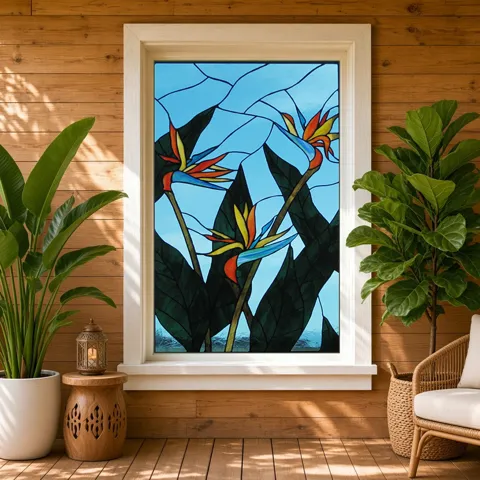
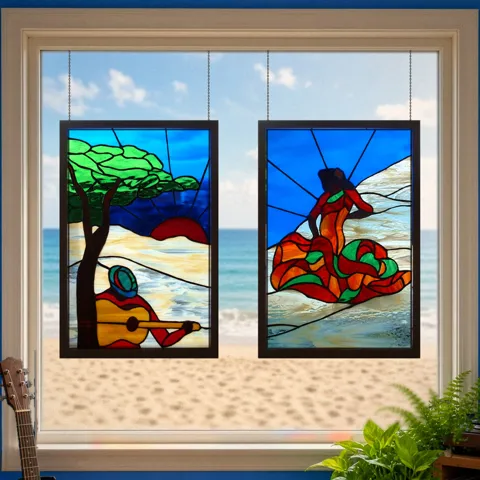
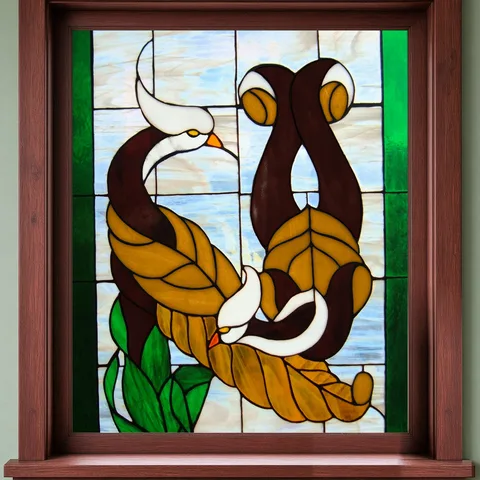
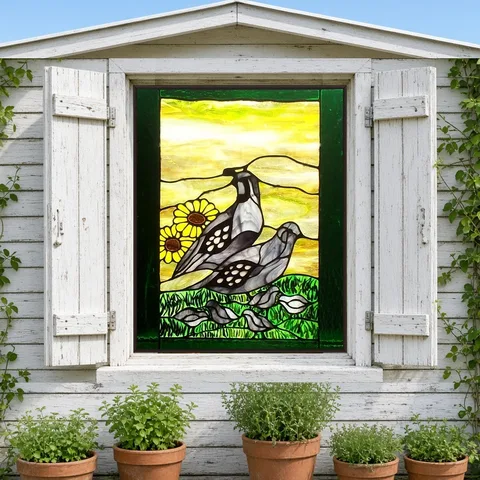
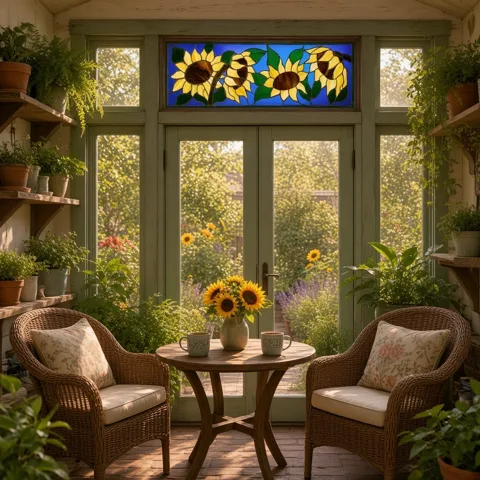
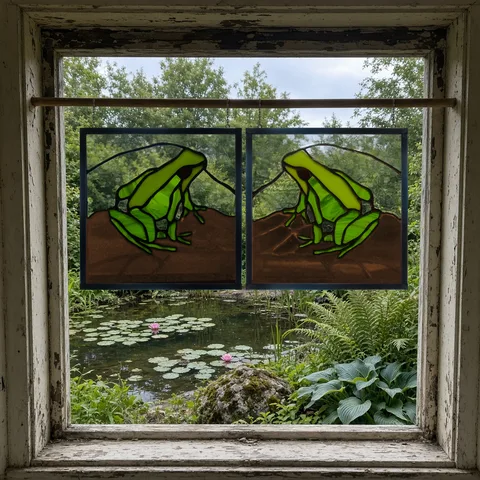
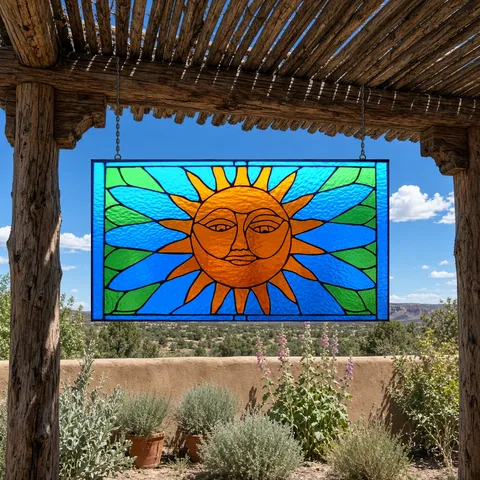
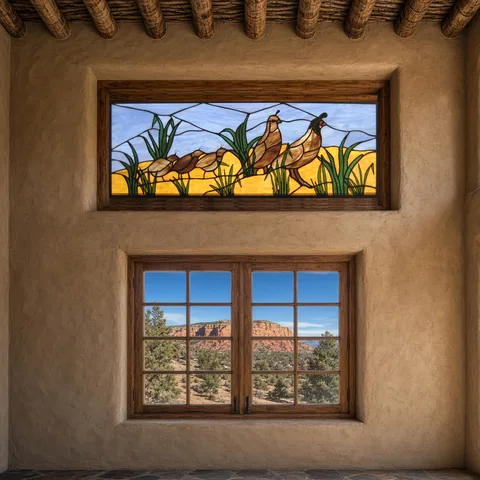
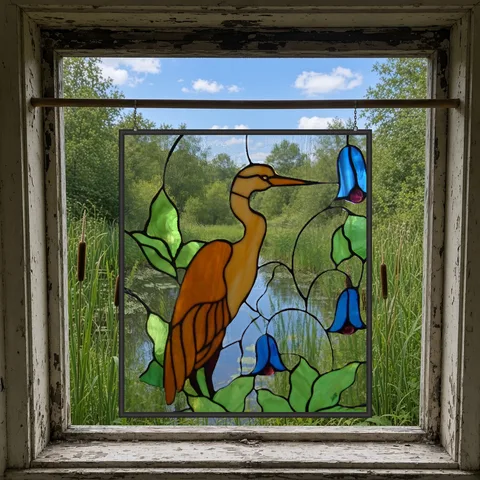
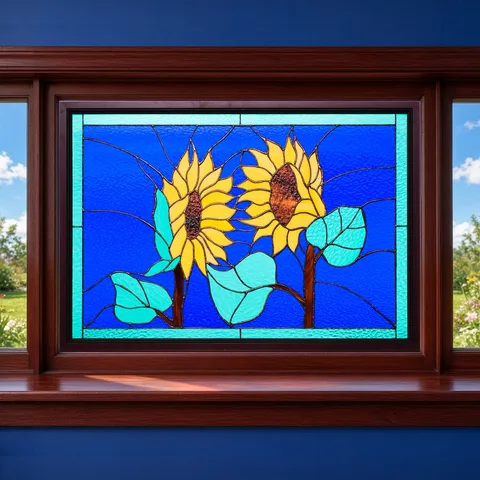
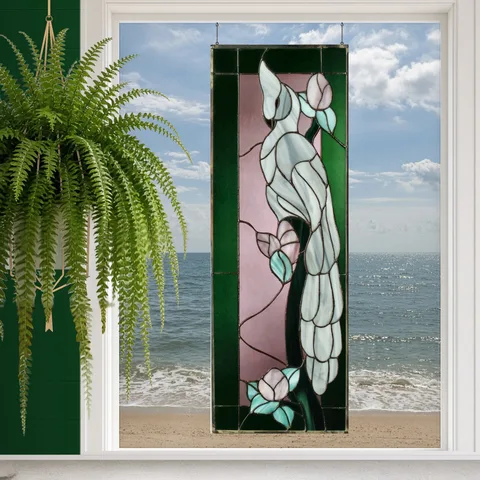
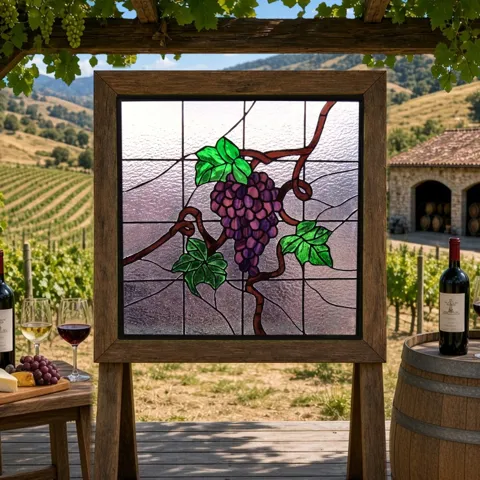
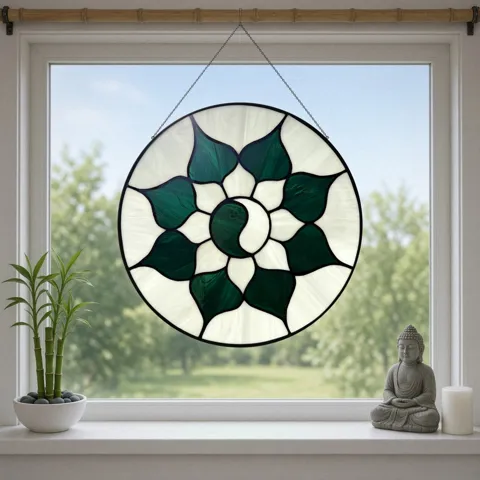
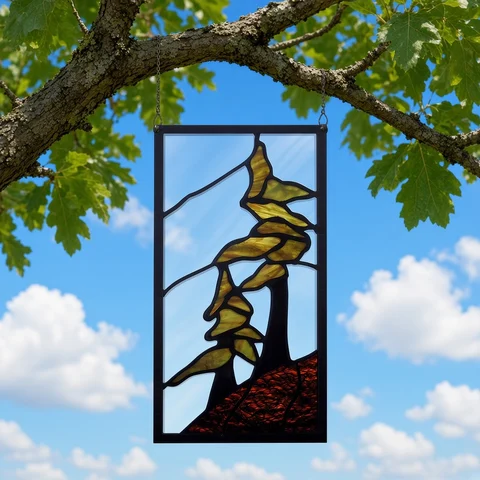
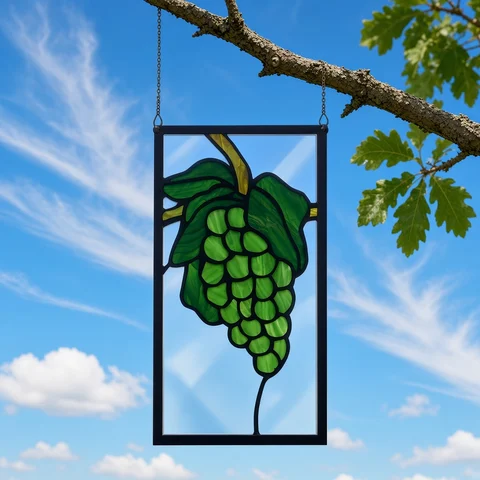
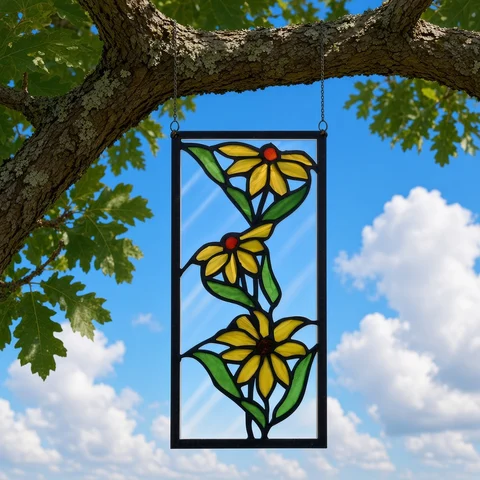
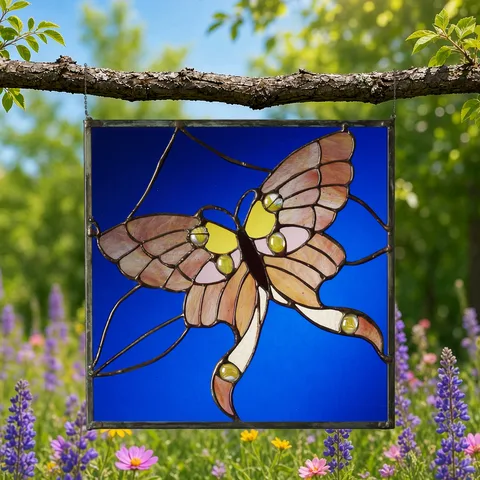
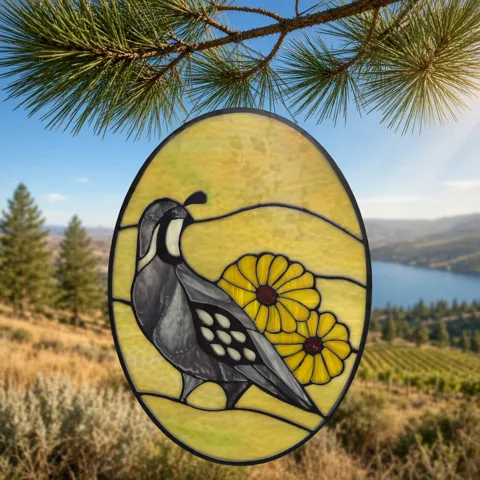
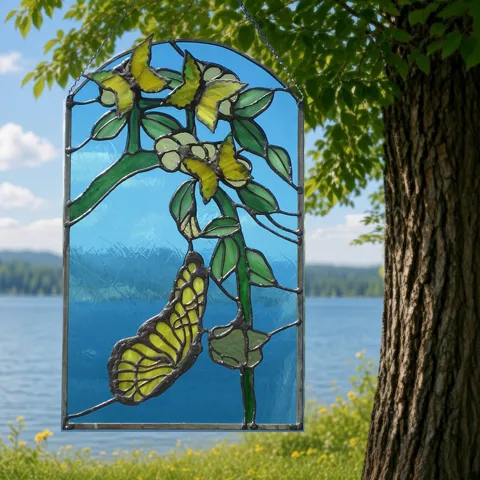
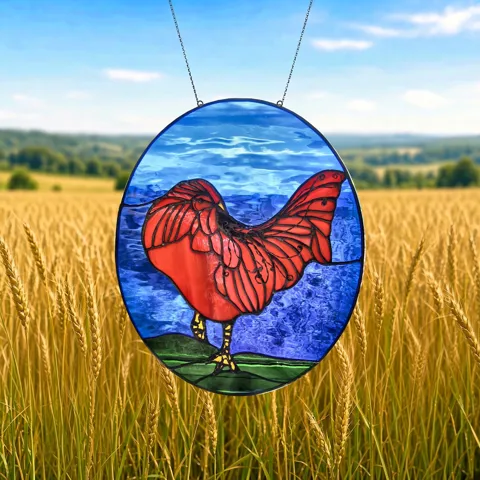
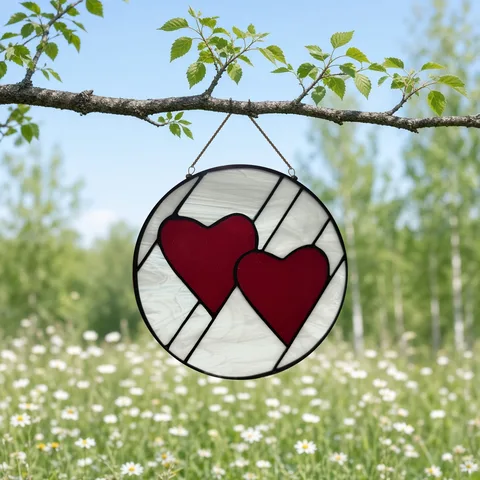
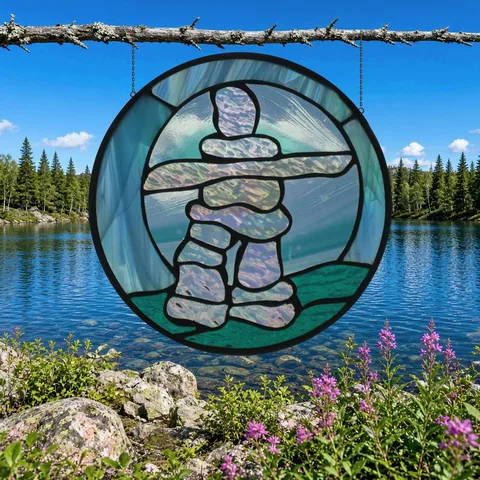
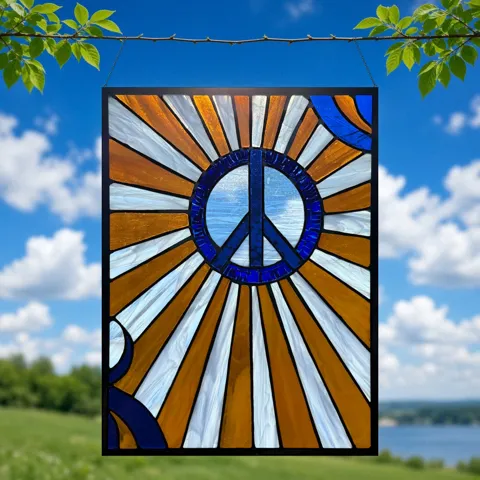
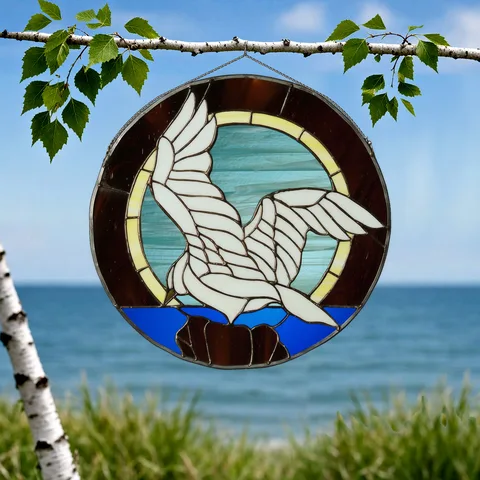
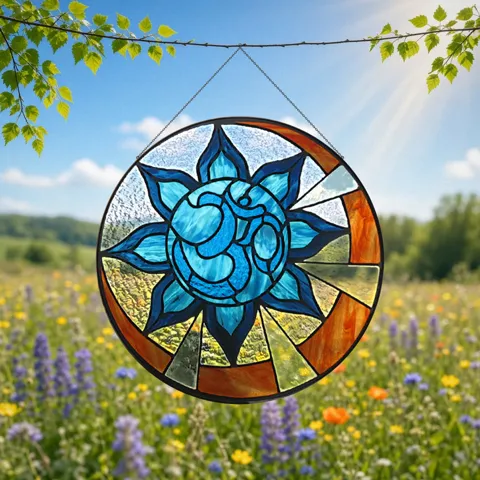
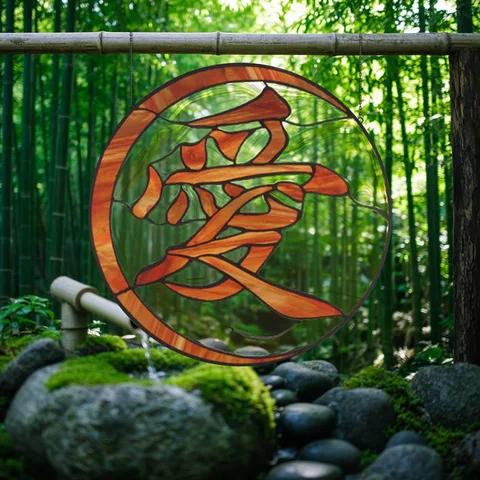
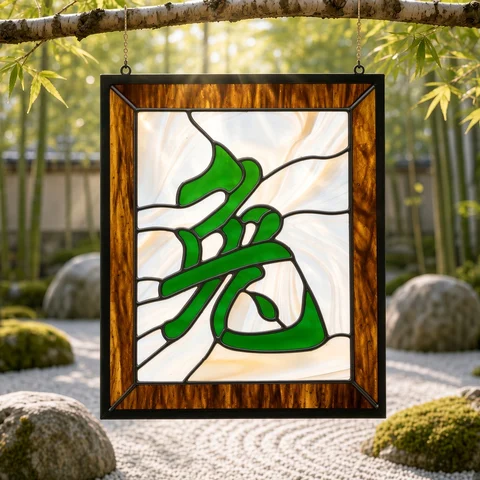
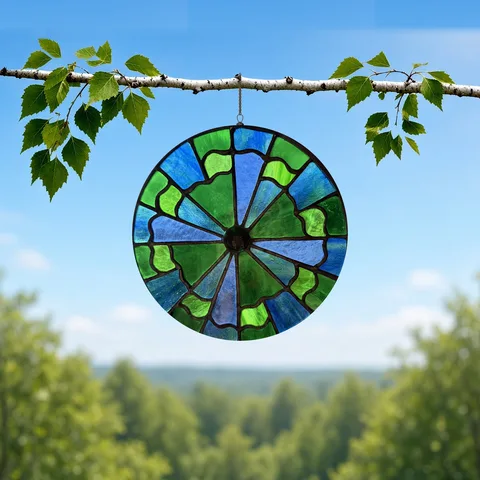
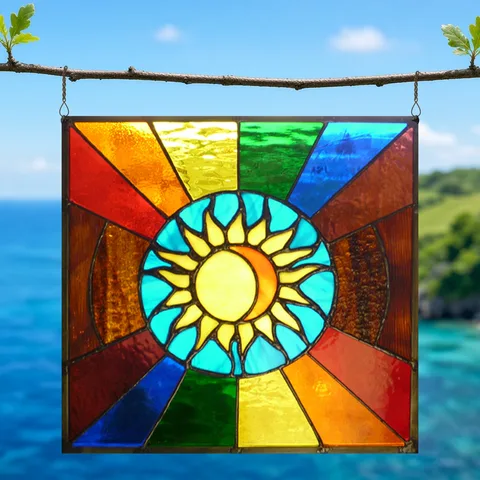
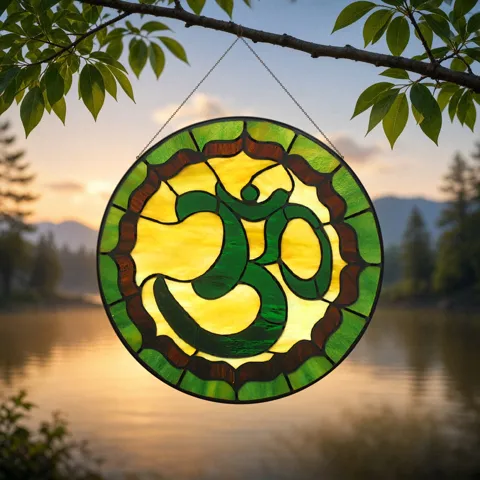
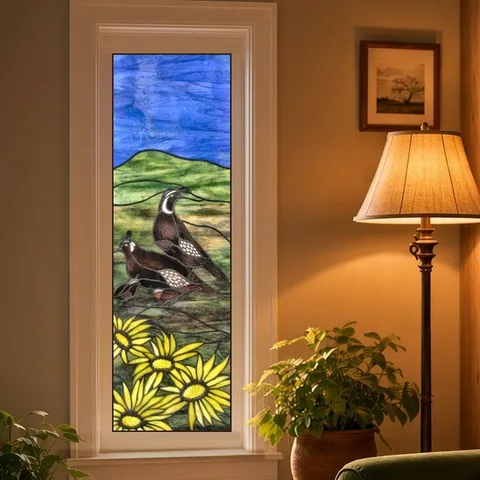
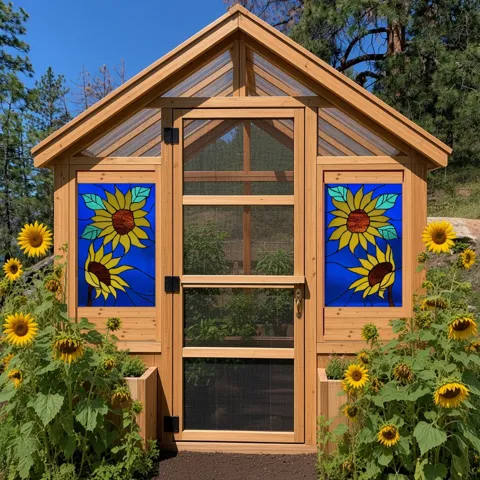
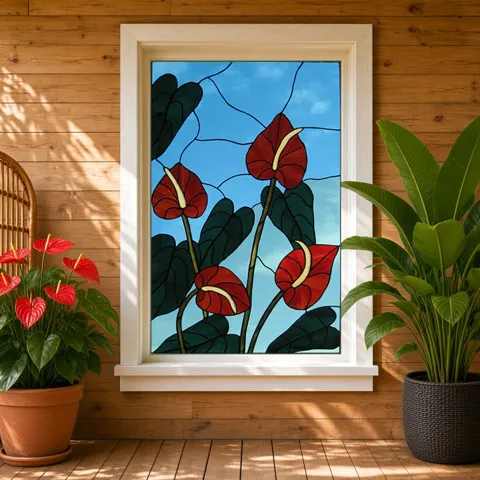
Flowers and birds have always had my heart, and my chakra pieces are my absolute favorites. I designed a whole collection around them. Sunflowers were the easiest to sell, so I made plenty of those too. Over the years my glass has found homes in many houses and a few businesses.
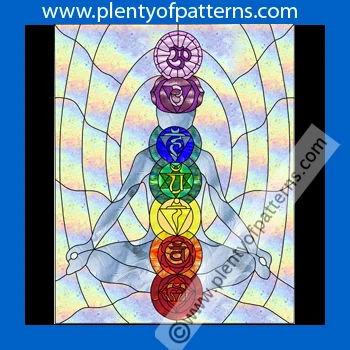
Somewhere near the beginning I fell in love with designing patterns. I was already comfortable with computer technology, so I invested in the Glass Eye 2000 software, which let me use real photographs I had taken and turn those images into patterns. I wanted my own style, so I started drawing my own patterns and putting them into books, which I also sold at farmers markets as coloring books. That grew into a whole pattern library. I don't have a stained glass studio anymore. There have been lots of moves and changes, and there hasn't been space to set one up again. But you don't need space to design patterns, so that became one of my creative outlets.
My son and daughter are both skilled web and software developers, and with their expertise and encouragement, we built the website you're looking at now, along with the Pattern Resizer. It takes any pattern, whether it's one of mine, one from a stained glass book, or one you've drawn yourself, and makes it easy to size it exactly the way you want and print it out.
This course is the system I used to make my glass. There are many teachers and many methods out there, and this is the method I use. Fair warning: the videos were filmed a while back and aren't high resolution, but they show every step clearly.
If you're just starting out, I recommend Wissmach glass. It's easy to cut and a bit easier on the wallet. When you're ready to play, companies like Oceanside, Youghiogheny and Bullseye make wonderful textures and colors.
My advice to any beginner is to follow your own instincts about how you want to learn, and to buy just the basic tools you'll need first. You can always add on, or try another style if you don't like what you have. There are many methods and tutorials out there. This is simply the one that worked best for me, and I hope it helps you find your way. A few cuts on your fingers along the way are likely to happen, so keep some bandages nearby. :)
When I'm not designing patterns, you'll find me with my new passion: crystals. It turns out they're not so far from glass. Glass is made mostly from sand, and sand is mostly tiny grains of quartz, one of the most common crystals on earth. Crystals are minerals that took their time and grew into something beautiful. You could say they're just all “grown up.” :) I guess I'm a bit like a magpie: I've never been able to resist anything shiny and pretty! These days I photograph and sell crystals in my online shop, Spirit Magicka.